Robotic Habitats
Tallin Architecture Biennale
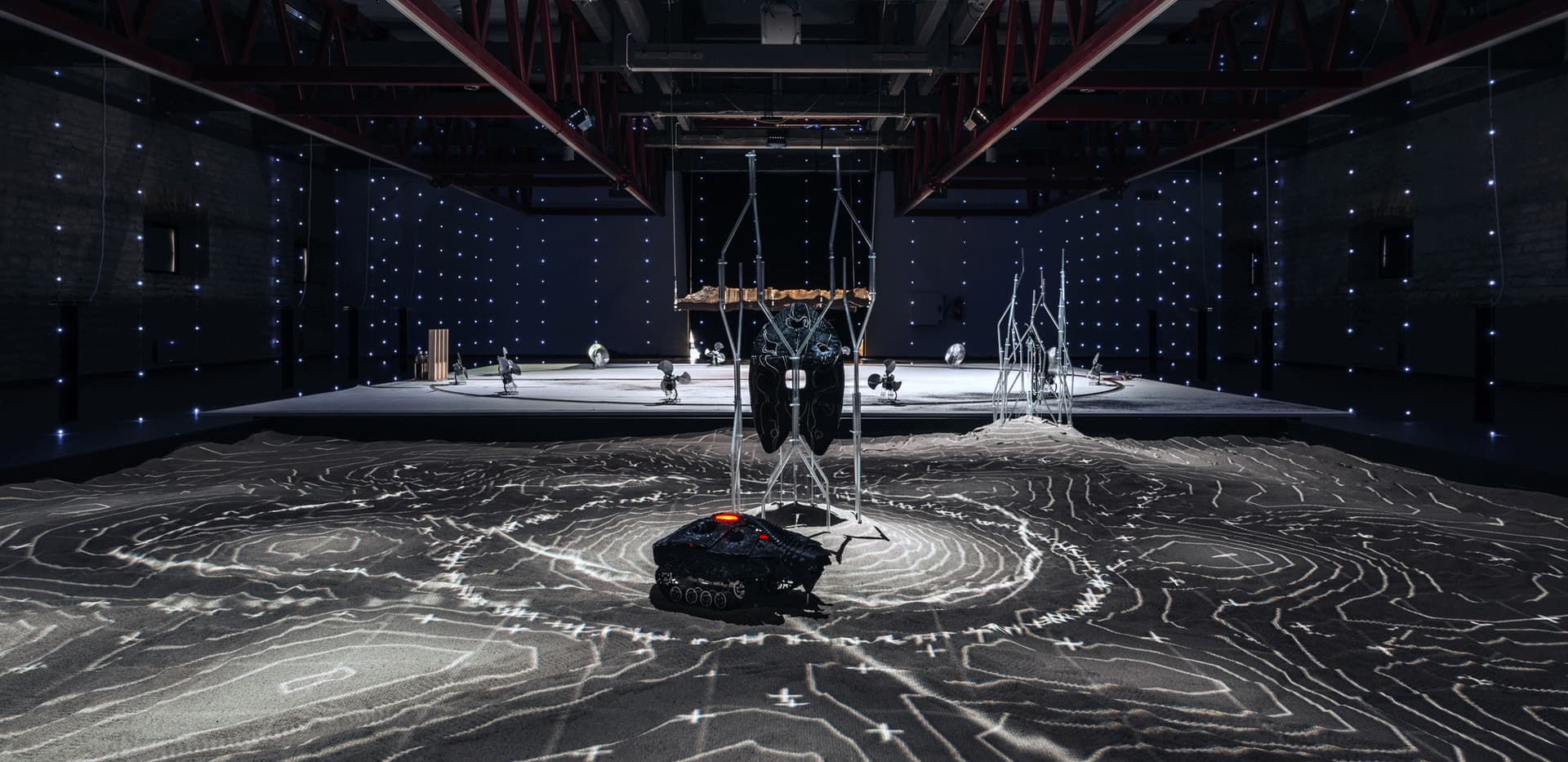
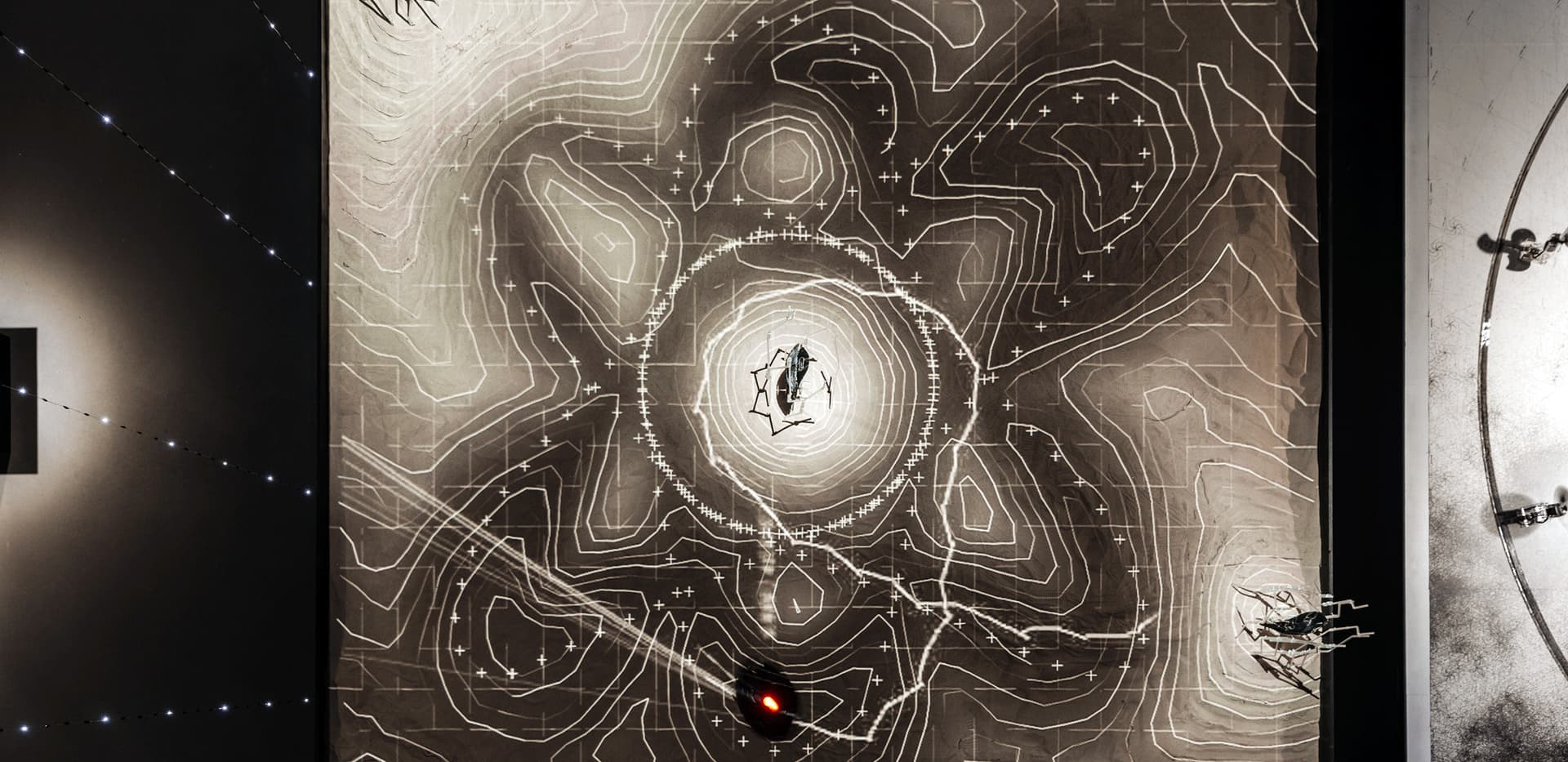
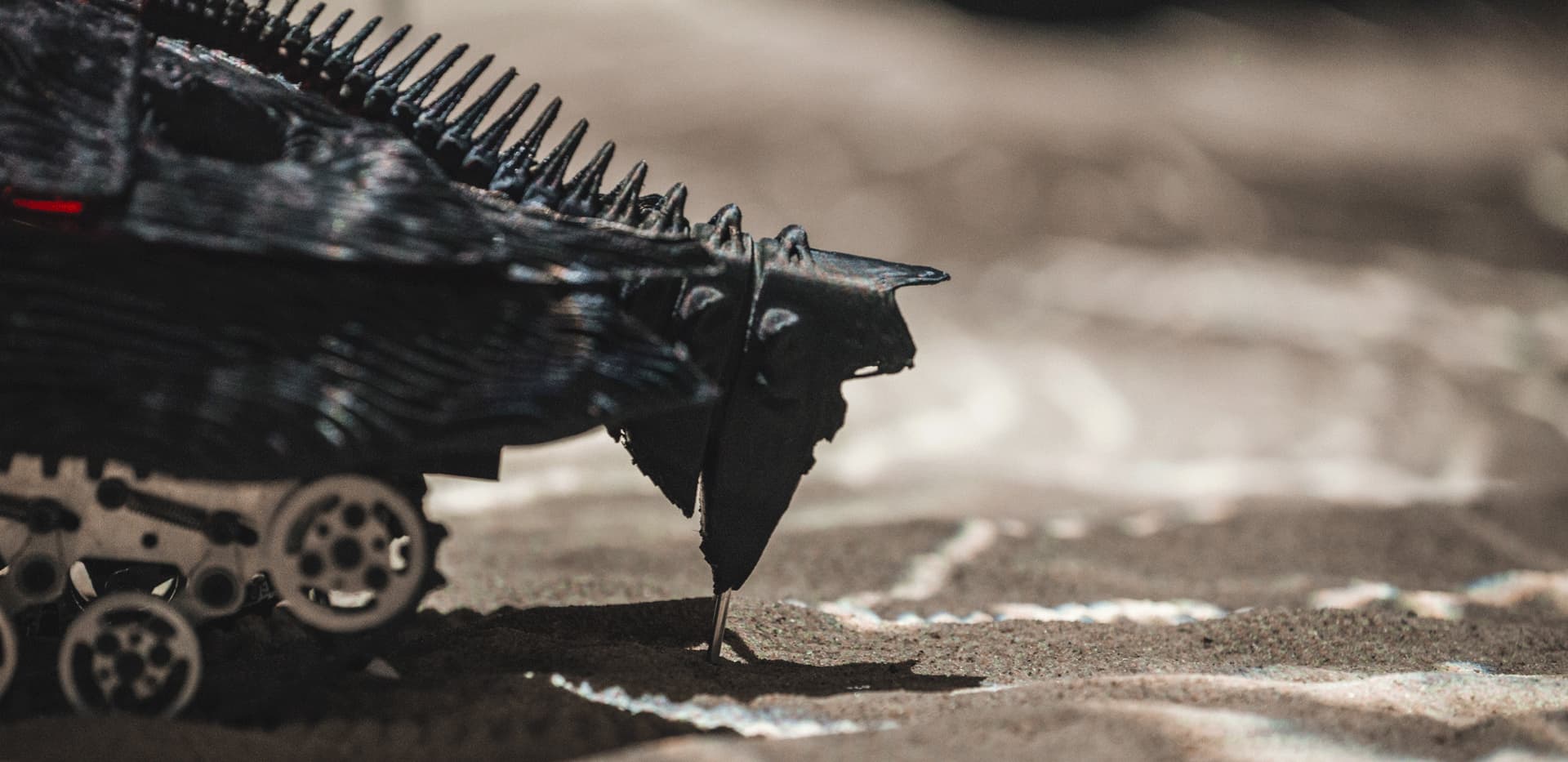
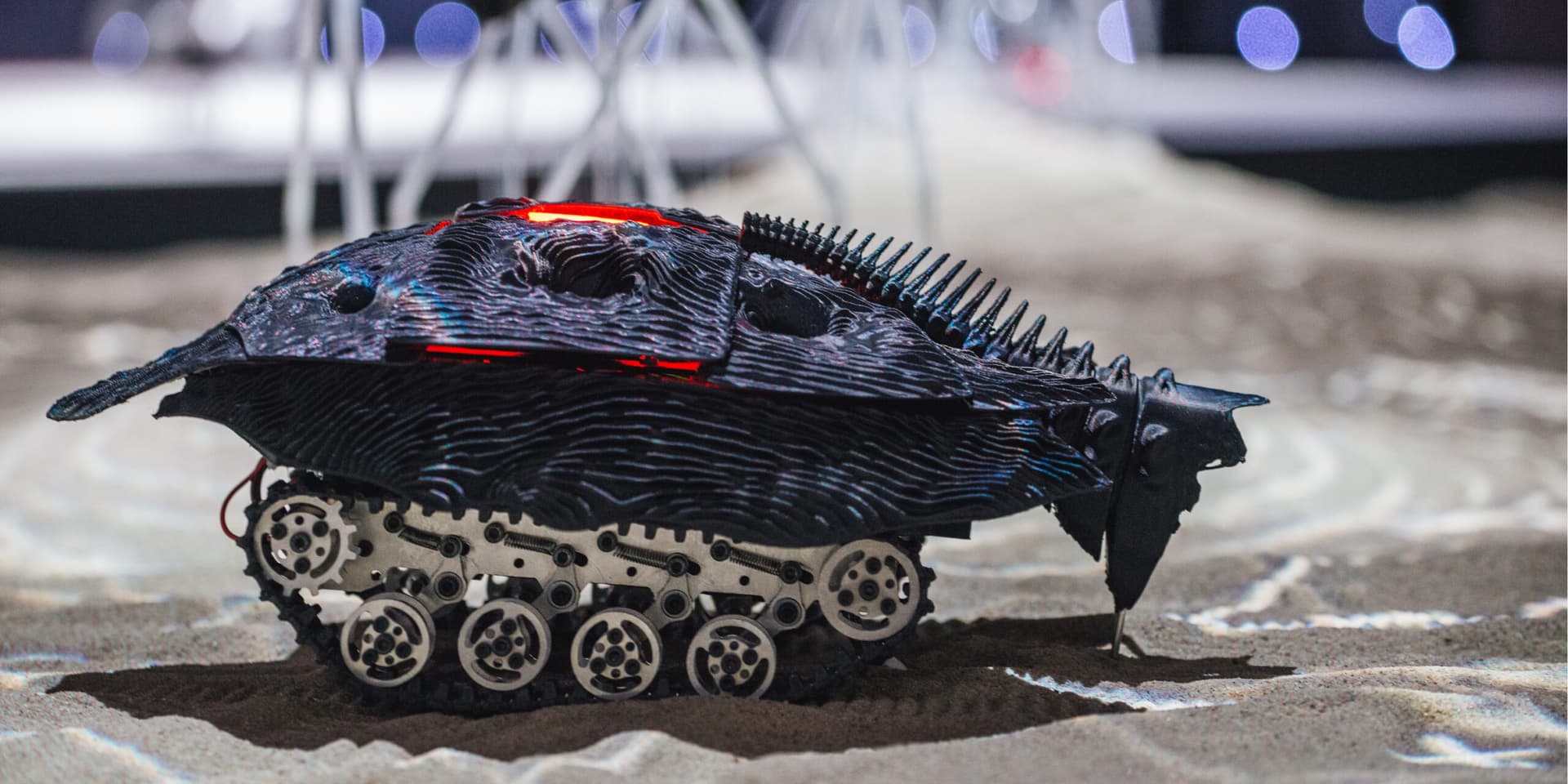
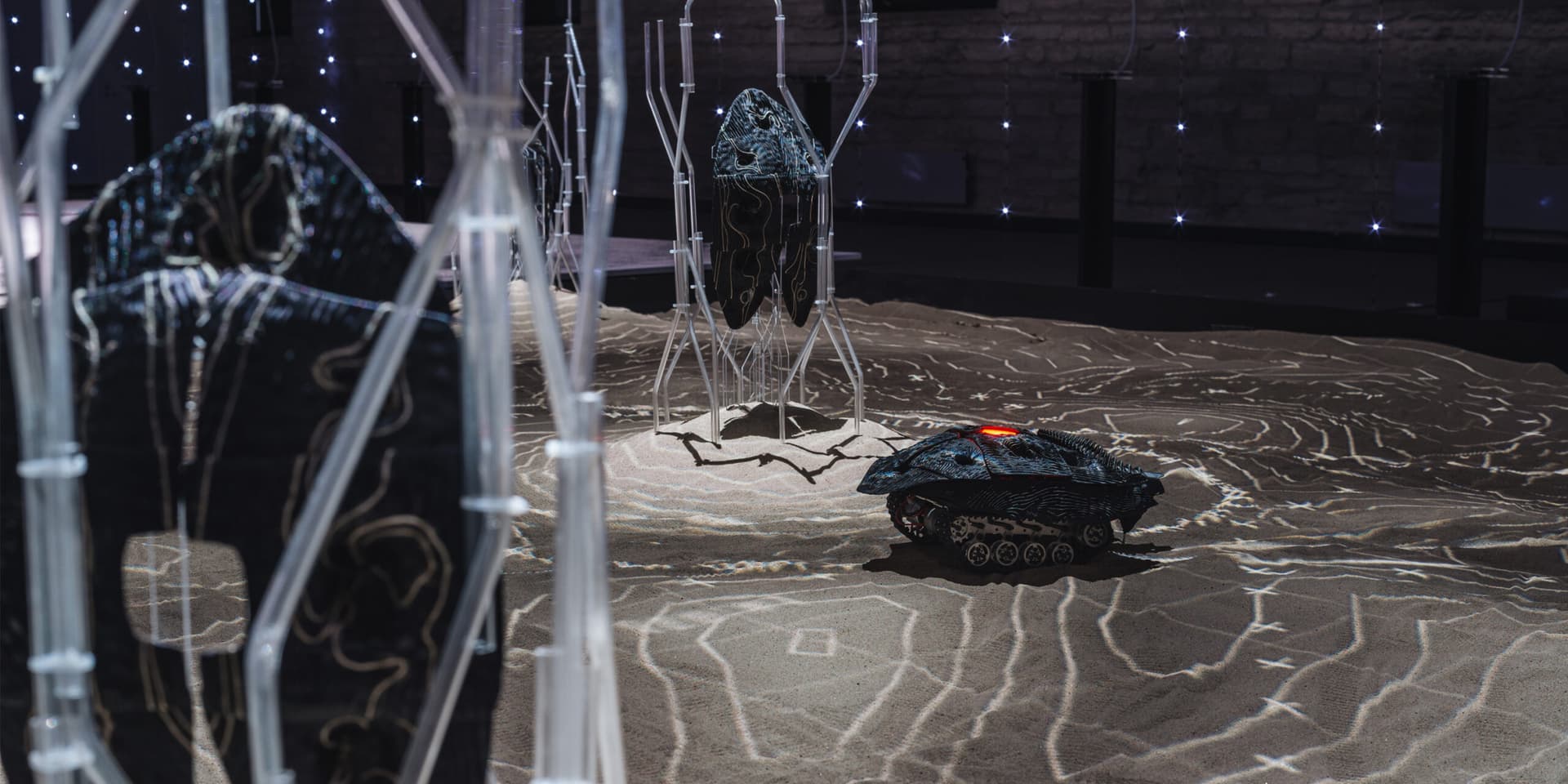
The Robotic Habitats installation, presented at the TAB - TALLINN ARCHITECTURE BIENNALE event curated by Claudia Pasquero and her team from Ecologic Studio, represents a significant advancement in the intersection of artificial intelligence, nature, and technology. Located on the Paljassaare Peninsula, this installation envisions the emergence of a new AI civilization that evolves through the extraction and processing of natural resources. The exhibition highlights a series of robots forming new symbiotic associations with their environment, leading to a robotically manipulated natural landscape.
Advancements in AI have enabled machines to surpass previous limitations, nearing human performance in complex tasks. As AI becomes more integrated into society, it is imperative to develop a framework for the coexistence and mutual prosperity of both. These emerging robotic organisms are designed to manipulate their environment, process resources, and create new habitats, establishing a civilization at the intersection of nature and technology.
The evolution of this artificial society entails the diversification of robots into different species, each specialized in specific tasks. For instance, drones will be tasked with exploring and searching for resources, providing crucial information for ground activities. Infrastructures will be developed to sustain life and the continuity of these life forms, processing nutrients and bacteria in a robotic habitat comprised of autonomous species.
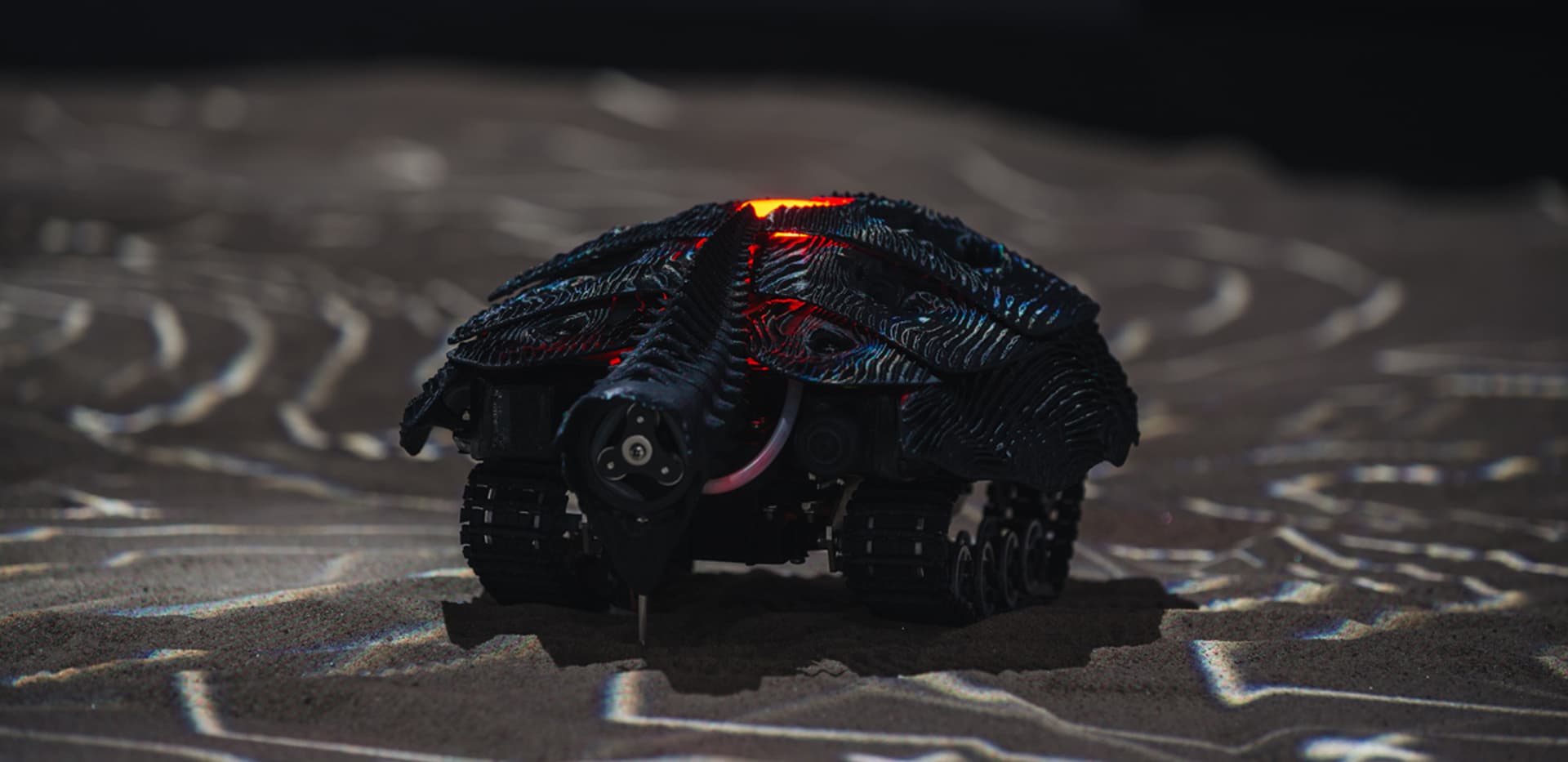
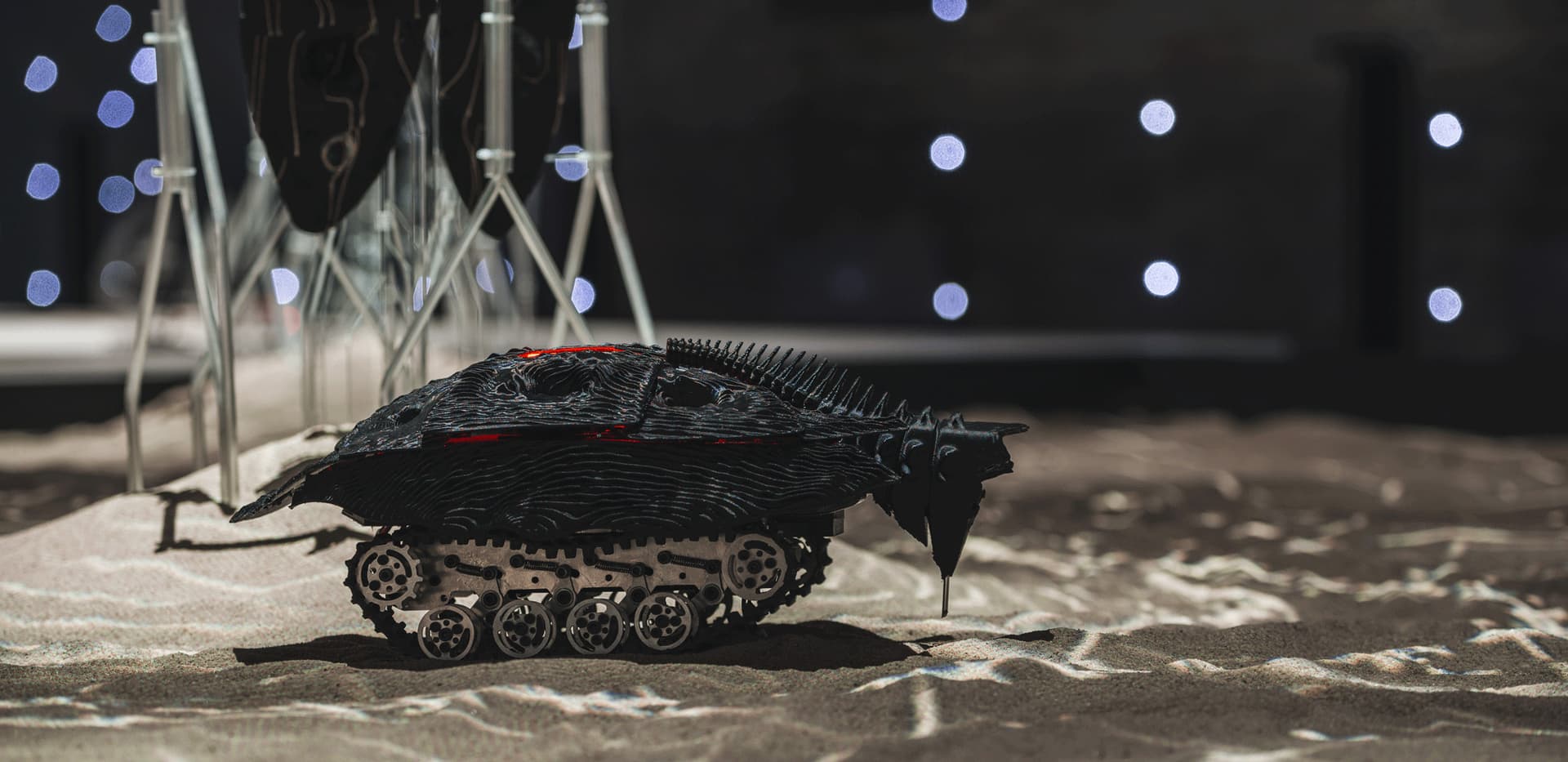
In a key project, Noumena commissioned Loco Machines to develop the main part of Robotic Habitats: the autonomous robots that recreate this emerging civilization. Loco Machines developed robots that use artificial vision to move independently, orient themselves, and perform their functions. Each robot is equipped with an extruder and a reservoir with a special liquid, enabling them to perform constructions under the sand.
The aim of Robotic Habitats is to provoke reflection on the role of artificial intelligence in our society and the emergence of a new balance among the forces that dominate our ecosystem. This exhibition not only demonstrates a technological leap but also raises essential questions about the future coexistence of humans, machines, and the natural environment.